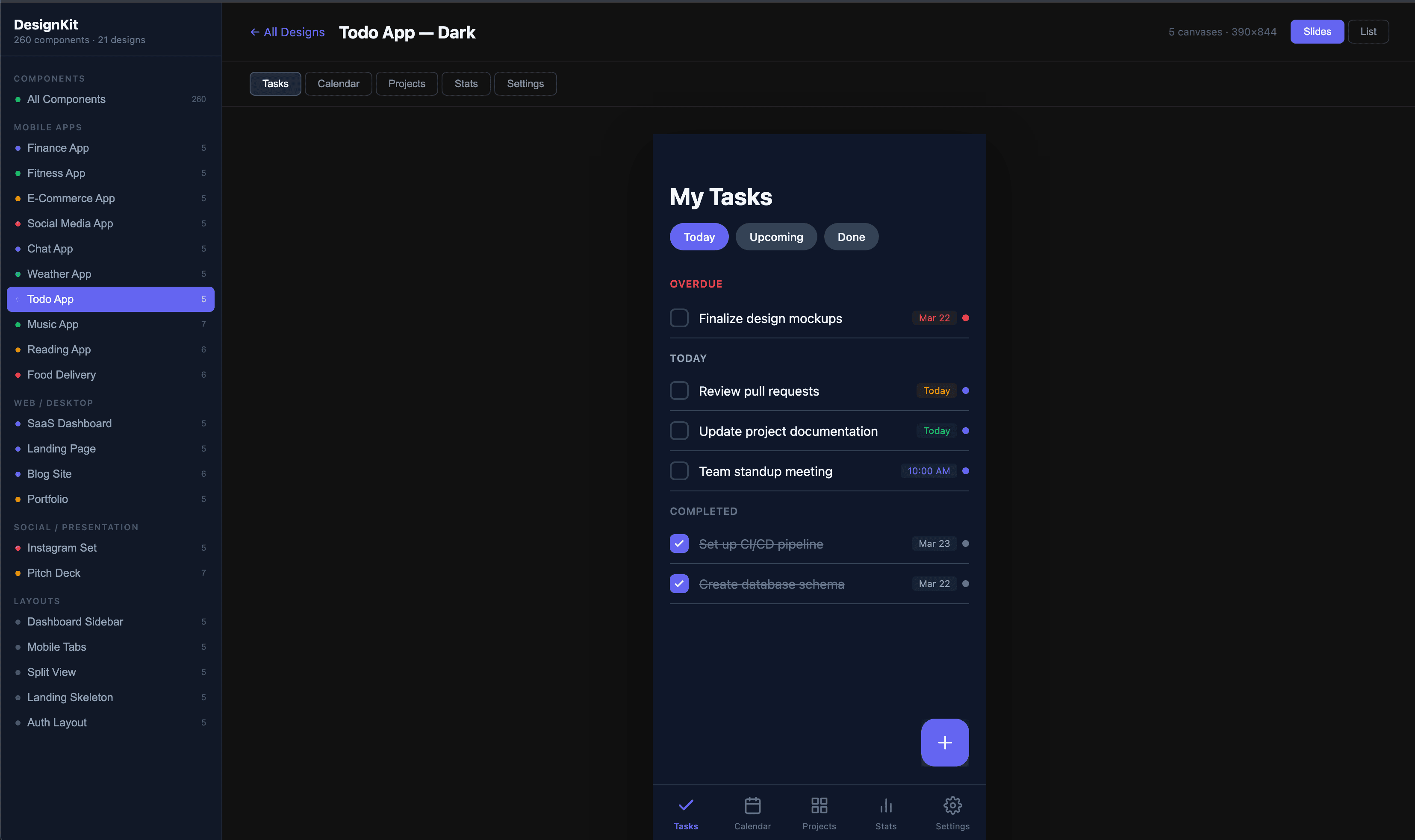
Discover how Pixeliro transforms UI generation with a structured, constraint-based approach, enhancing consistency and alignment in design systems.
Introduction to Structured-First UI
Most AI tools today generate UI similarly to code: free-form. You provide a prompt, and it outputs HTML or React that looks good initially but fails when integrated into a real product. The issue isn't the quality of generation but the lack of structure before generation.
color palette generatorA Different Approach
At Pixeliro, we’re developing a structured-first model. Instead of generating arbitrary UI, we generate UI specs within a system. This ensures alignment with your design system, preventing issues like wrong tokens and inconsistent components.
The Pixeliro Process
The traditional flow involves generating HTML from a prompt, which often leads to production challenges. Our process involves several steps: Intent Analysis, Component Mapping, Design Token Binding, Layout Composition, and finally, Rendering. This structured approach ensures consistency and predictability.
brand color palette toolBy mapping components and binding design tokens from the start, we create a predictable UI aligned with your existing design system.
The Key Idea: Compose, Don’t Generate
Our approach constrains AI to existing components, semantic tokens, and layout rules. This shift means AI acts as a composer within a design system, not an arbitrary creator. This ensures the generated UI fits seamlessly into existing frameworks.
Tip: Use our color shades generator to maintain color consistency across your UI components.
What We Built
CLI Generator
Our CLI turns prompts into structured UI specs. For example, a prompt like "finance dashboard with stats and charts" outputs structured components and tokens, not raw HTML. This ensures each element is ready for seamless integration.
Web UI Composer
Instead of editing code, you can browse components, map tokens, and visually compose layouts. This visual approach simplifies the UI development process, making it more intuitive.
contrast checkerWhy This Matters
AI excels at generation, but production systems demand consistency, predictability, and constraints. Without these, faster output can lead to faster bugs. The real shift is moving towards AI that operates within structured constraints.
The Real Shift
We need AI to be more bounded, not just more creative. This pattern is evident across various domains: infrastructure uses IAM templates, backend systems use typed schemas, and frontends use tokens and components rather than raw HTML.
Conclusion: The Future of AI in Design Systems
The future of AI is built on better constraint systems around generation. As you build with AI, consider what "correct" means within your system and how to enforce those constraints.
Create Your Color System with Pixeliro
Ready to build a professional color palette?
Generate Brand Palette →Explore Palette Generator →