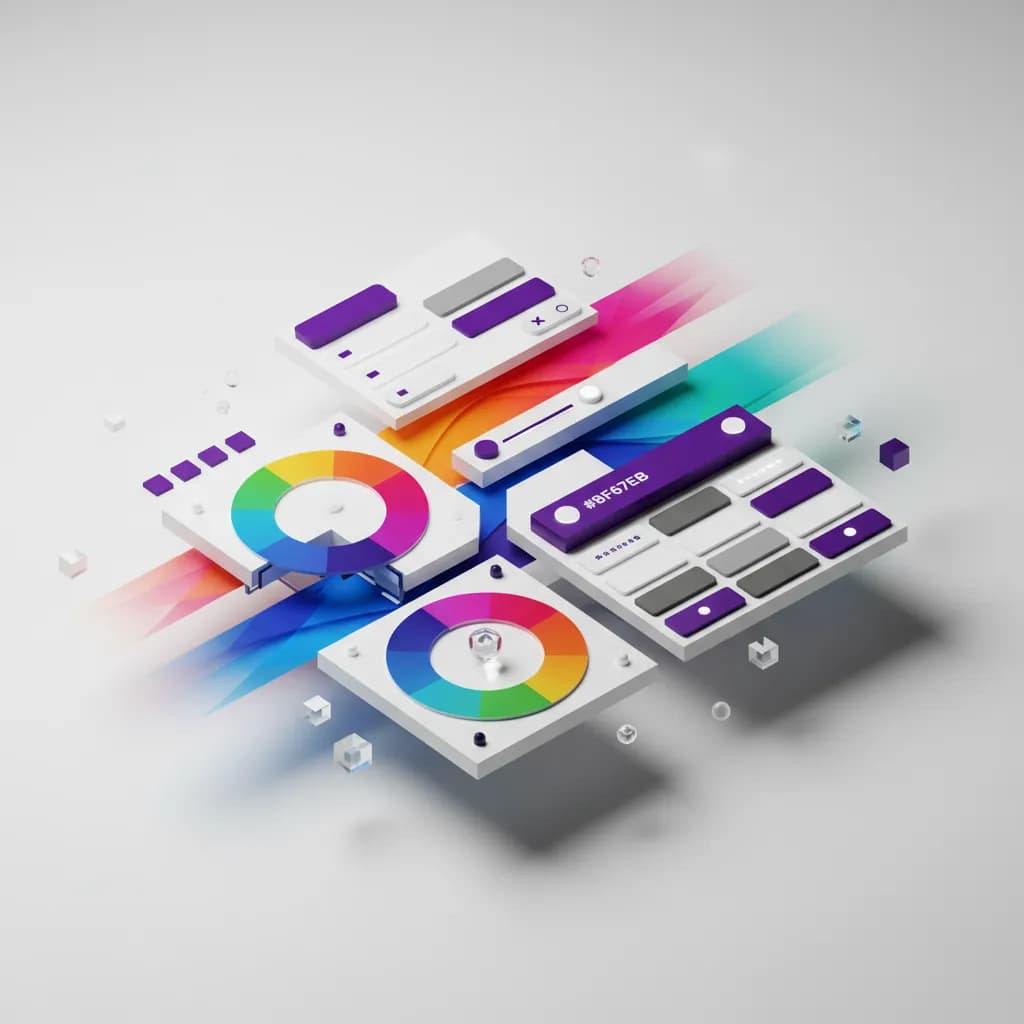
Explore how AI transforms brand color strategies with dynamic and adaptive approaches, offering designers actionable insights and practical examples.
Role of AI in Brand Strategy
Artificial Intelligence (AI) has revolutionized various industries, and branding is no exception. In today's digital landscape, brands are not just about logos and slogans but about creating an engaging and dynamic experience for their audience. AI plays a crucial role in this evolution by enabling brands to adapt their strategies, particularly in the realm of color, to better meet consumer expectations and market trends.
The core advantage of AI in brand color strategy lies in its ability to analyze large datasets and predict trends with remarkable accuracy. This allows brands to develop adaptive color strategies that resonate with their target audience. For example, AI can analyze social media trends, consumer preferences, and market conditions to suggest color schemes that will likely appeal to the intended demographic.
Moreover, AI-driven tools can help brands create a cohesive color strategy across various platforms. By integrating AI, companies can ensure that their brand colors remain consistent across all touchpoints, enhancing brand recognition and customer loyalty.
Case Studies: AI in Color Strategy
Several brands have successfully utilized AI to craft dynamic color strategies. One prominent example is Coca-Cola, which used AI to analyze consumer sentiment and adapt its branding colors to better connect with younger audiences. By leveraging AI, Coca-Cola was able to maintain its iconic red while subtly incorporating trending colors that appeal to millennials, enhancing its brand appeal.
Another case is that of Spotify, which employed AI to generate personalized playlists for users. In conjunction with this personalization, Spotify used AI to tailor its app's color scheme to match the mood and style of the playlists, creating an immersive and personalized user experience.
These examples showcase how AI can be a powerful ally in developing color strategies that are not only visually appealing but also emotionally resonant with the audience.
Tools for Implementing AI-Driven Color
Designers and developers have access to a variety of tools that leverage AI for creating dynamic brand color strategies. One such tool is the Brand Color Palette Generator, which allows users to generate a comprehensive 46-role semantic color system from a single primary color. This tool is particularly useful for maintaining brand consistency across different digital products.
Another noteworthy tool is the AI Agent Skill, which exports brand color rules for various AI platforms such as ChatGPT and Claude. This functionality enables seamless integration of AI-driven color strategies into existing workflows, ensuring that brand colors are both adaptive and consistent.
These tools exemplify how AI can simplify the process of developing and implementing complex color strategies, making it accessible even to brands with limited resources.
Challenges and Opportunities with AI
Despite the immense potential of AI in brand color strategies, there are several challenges that need to be addressed. One major challenge is the risk of over-reliance on AI, which can lead to generic and uninspiring color schemes if not properly managed. It is crucial for brands to balance AI-driven insights with human creativity to ensure their color strategies remain unique and authentic.
Another challenge is data privacy. As AI relies heavily on data, brands must ensure they comply with privacy regulations while collecting and using customer data to inform their color strategies.
However, these challenges also present opportunities. By addressing these issues, brands can position themselves as leaders in ethical AI use, gaining consumer trust and fostering brand loyalty. Additionally, as AI technology continues to evolve, new opportunities will arise for even more personalized and engaging color strategies.
Future of AI in Branding
The future of AI in branding is promising, with continuous advancements paving the way for more sophisticated and personalized brand experiences. AI will likely play an even bigger role in real-time color adaptation, allowing brands to respond instantly to changing consumer moods and trends.
Moreover, as AI becomes more integrated with design systems, brands will have the ability to create comprehensive and cohesive brand experiences across all platforms. This will not only enhance brand recognition but also foster deeper emotional connections with consumers.
In conclusion, embracing AI-driven color strategies offers brands a competitive edge in the fast-paced digital market. By leveraging AI tools like the Brand Color Palette Generator and AI Agent Skill, brands can create dynamic and adaptive color strategies that resonate with their audience, ensuring long-term success and growth.
Tip: Start small by integrating AI tools into your current workflow to test their impact on your brand's color strategy before full-scale implementation.
Upgrade for AI-powered Color Insights
To stay ahead in the ever-evolving branding landscape, consider upgrading to tools that provide AI-powered color insights. These insights can help refine your brand's color strategy, ensuring it remains dynamic and relevant. Explore options to integrate AI-driven tools into your branding process today!