Explore how a color design system enhances brand consistency and design efficiency, with insights on the Luminos brand system.
Understanding Color Design Systems
A color design system is a structured approach to managing colors across a brand's digital assets. It ensures consistency, enhances brand recognition, and provides a foundation for scalable design practices. By defining a set of primary and secondary colors, along with their shades and tints, a color design system simplifies the design process and ensures that the brand's visual identity is cohesive across all platforms.
The Role of a Color Design System in Brand Identity
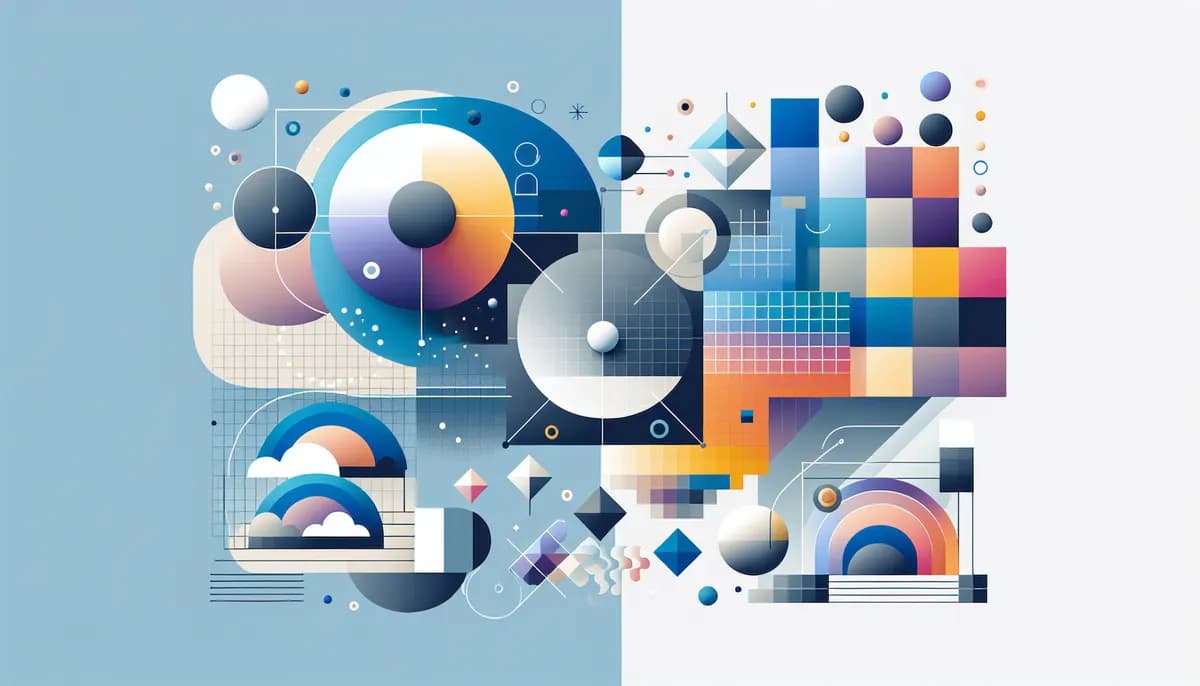
Color is a powerful tool in brand identity. It evokes emotions, conveys messages, and differentiates a brand in the competitive market. A well-implemented color design system ensures that these colors are used consistently, thereby strengthening brand identity and improving user experience. For instance, the 'Luminos · Professional · Light/Dark' brand system utilizes colors like #2D7CD2 and #6463C9 to create a professional and adaptable visual language suitable for both light and dark modes.
Luminos · Professional · Light/Dark
Luminos · Professional · Light/Dark
Benefits of Implementing a Color Design System
Consistency Across Platforms
One of the primary benefits of a color design system is the ability to maintain consistency across different platforms and devices. This is particularly important for brands that operate globally and across various media channels. By utilizing tools like our color palette generator, designers can easily adapt and apply the brand’s color system to any project.
Efficiency in Design and Development
With a pre-defined set of colors and guidelines, designers and developers can work more efficiently. This reduces the time spent on decision-making and allows for quicker turnaround times on projects. Moreover, using a contrast checker ensures accessibility standards are met, enhancing the overall user experience.
Case Study: Luminos Brand System
The 'Luminos · Professional · Light/Dark' color design system exemplifies the advantages of a well-structured color palette. The strategic use of colors like #EBDFDF and #FAFAFA caters to diverse visual environments, supporting both spatial and mobile app designs. This flexibility is crucial for maintaining a professional appearance across all user interfaces.
Tip: Use the brand color palette tool to customize your own color systems based on strategic needs.
Conclusion
Implementing a color design system is vital for any brand looking to maintain a strong and consistent visual identity. It not only facilitates design efficiency but also ensures that the brand's colors are used effectively and cohesively. As brands evolve, these systems can be adapted and expanded, making them an essential component of modern design strategies.
Create Your Color System with Pixeliro
Ready to build a professional color palette?
Generate Brand Palette →Explore Palette Generator →